Key Takeaways
- Income is not a monolith: T20 households are promotion-sensitive, B40 households prioritise spending on certain categories, and M40 households are often the most price-conscious.
- Context over category: A shopper’s response to price and value depends more on the product category (e.g., groceries vs. Electronics) than their income bracket alone.
- Behavioural data is critical: Effective segmentation combines income proxies with actual behavioural signals like purchase frequency, channel preference, and promotion response.
- M40 fragility: A significant portion of M40 households have slipped into the B40 bracket, making this middle segment particularly sensitive to economic pressures and value propositions.
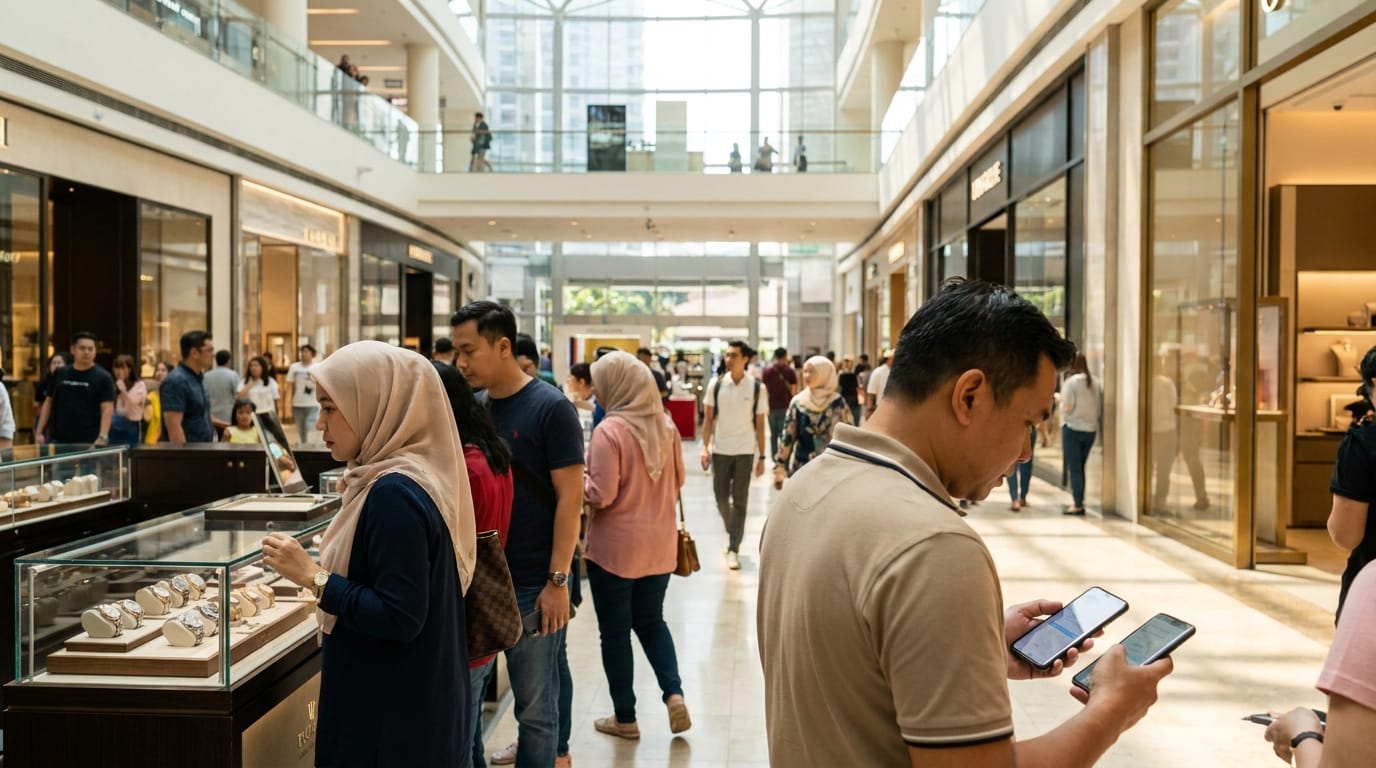
The common understanding of T20 B40 shopping behaviour in Malaysia often relies on outdated stereotypes. Marketers assume T20 consumers exclusively chase premium goods, while B40 shoppers only hunt for the lowest price. The data reveals a more complex reality.
Effective demographic marketing requires moving beyond these generalisations. To truly connect with Malaysian consumers, brands must analyse how each income segment makes decisions, prioritises spending, and defines value in different contexts.
Define B40, M40, T20 Thresholds
Before segmenting behaviour, it is critical to use the correct definitions. According to the latest official figures, Malaysian household income bands are classified as follows:
- B40 (Bottom 40%): Monthly household income up to RM5,249.
- M40 (Middle 40%): Monthly household income from RM5,250 to RM11,819.
- T20 (Top 20%): Monthly household income of RM11,820 and above.
These figures, based on the Household Income Survey, provide a baseline for segmentation. However, brands must remember these are household incomes, not individual disposable incomes.
Map Spend Beyond Income Stereotypes
A household’s income level does not dictate its spending choices in a linear way. While T20 households control a large share of national income, their spending is not exclusively on luxury. Conversely, B40 households allocate their budgets strategically, not just cheaply.
In 2024, T20 households accounted for 45.1% of total household income, giving them significant purchasing power. Yet, they remain highly responsive to promotions that offer convenience and savings, such as free shipping or platform-wide vouchers on e-commerce sites like Shopee.
B40 households, with lower disposable income, prioritise essentials like food, housing, and transport. This can lead to surprisingly high spending in categories like food delivery, where “affordable indulgence” and convenience play a key role in purchasing decisions.

Analyse Promo Response Across Segments
All consumer segments respond to value, but they define it differently. A one-size-fits-all promotional strategy will fail to resonate across the B40, M40, and T20 groups.
T20: Value in Convenience and Exclusivity
The T20 segment often equates value with time saved and reduced friction. They are receptive to:
- Premium loyalty programmes: Perks like priority service, exclusive access, and concierge support justify a higher price point.
- Seamless delivery: Fast, reliable, and often free shipping is an expectation, not a bonus.
- Curated bundles: High-value product bundles that solve a specific problem are more appealing than simple percentage discounts.
M40: The Price-Sensitive Centre
The M40 segment is arguably the most commercially fragile. Data from the Department of Statistics Malaysia showed that 20.0% of M40 households moved into the B40 category in 2020, highlighting their economic sensitivity. This group is highly motivated by:
- Direct price reductions: Vouchers, flash sales, and clear discounts are powerful motivators.
- Flexible payments: Buy Now, Pay Later (BNPL) options help manage cash flow for larger purchases.
- Comparative value: They actively compare prices across platforms and are less brand-loyal if a better deal is available elsewhere.
B40: Prioritising Essential Value
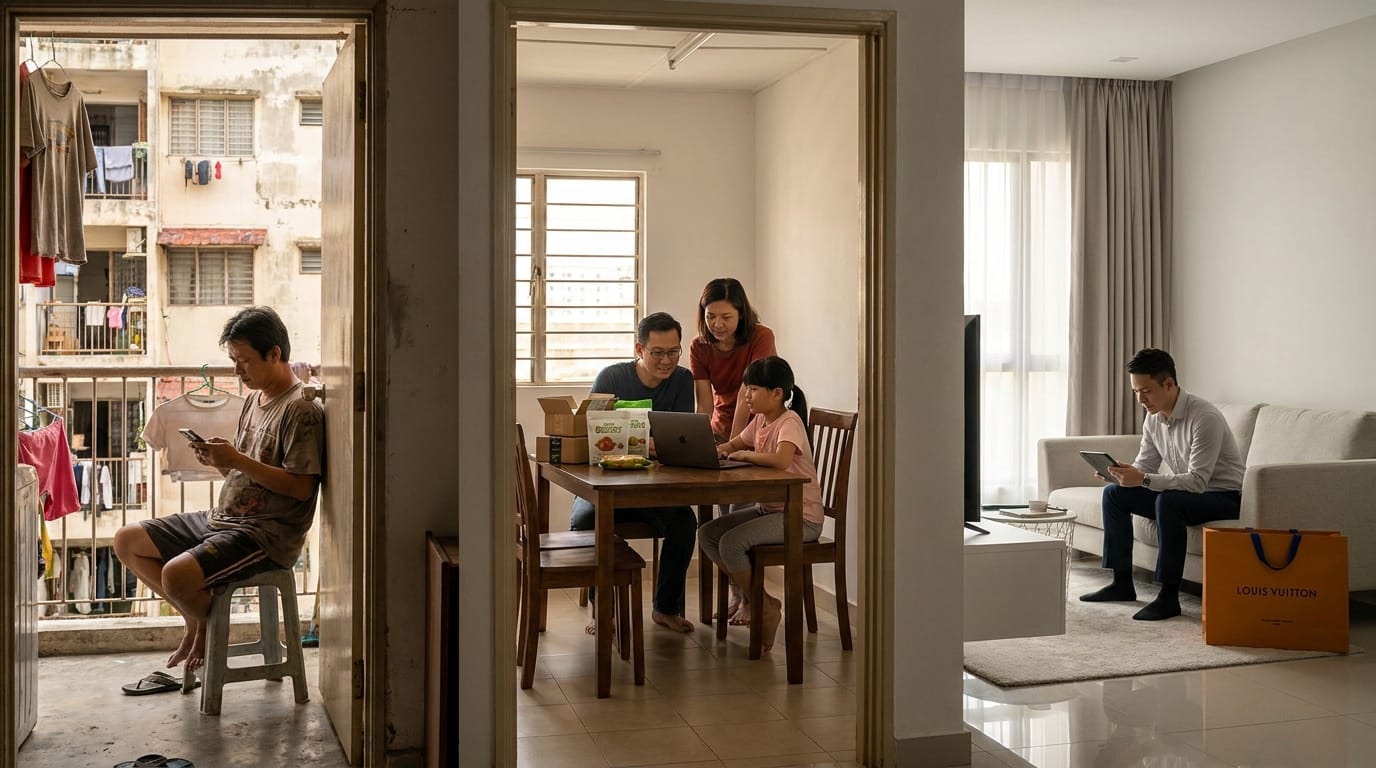
For B40 households, value is about maximising every ringgit for essential needs. They respond well to:
- Subsidies and rebates: Direct financial assistance, like fuel subsidies or cashback on groceries, has a high impact.
- Low-entry-point bundles: Small, affordable bundles of essential goods can increase basket size.
- Free shipping thresholds: Achieving a free delivery minimum is a strong incentive to consolidate purchases.
Watch out: Assuming B40 shoppers lack digital access is a mistake. Smartphone penetration is high, and many are savvy users of e-commerce and e-wallet apps to find the best deals.
A Model for T20 B40 Shopping Behaviour
A static, income-only model is insufficient. A modern framework for understanding t20 b40 shopping behaviour in Malaysia must be multi-dimensional. It should layer demographic data with behavioural and psychographic signals.
| Behavioural Signal | B40 Focus | M40 Focus | T20 Focus |
|---|---|---|---|
| Price Sensitivity | High on all goods | High on discretionary goods | High on commoditised goods |
| Promo Response | Vouchers, rebates, free shipping | Discounts, BNPL, flash sales | Loyalty perks, convenience |
| Brand Loyalty | Low (price-driven) | Medium (value-driven) | High (experience-driven) |
| Key Motivator | Affordability & necessity | Value for money & aspiration | Quality, convenience & status |
Re-evaluate Your Segmentation Strategy
Relying solely on B40, M40, and T20 labels leads to missed opportunities. Brands should enhance their segmentation models with more granular data points.
Pro tip: Combine income proxies with first-party data. Analyse purchase history, browsing behaviour, device usage, and loyalty programme engagement to build nuanced customer profiles that reflect actual intent, not just assumed capacity.
This approach allows for more effective personalisation. A T20 customer buying groceries behaves more like an M40 customer in that moment, responding to promotions and value. A B40 customer saving for a smartphone may exhibit spending patterns closer to an M40 customer during that specific purchase journey.
Future-Proof Your Demographic Insights
The Malaysian economic landscape is dynamic. Income classifications evolve, and consumer behaviour shifts with economic tides. Organisations must treat segmentation as an ongoing process of analysis and refinement, not a one-time project.
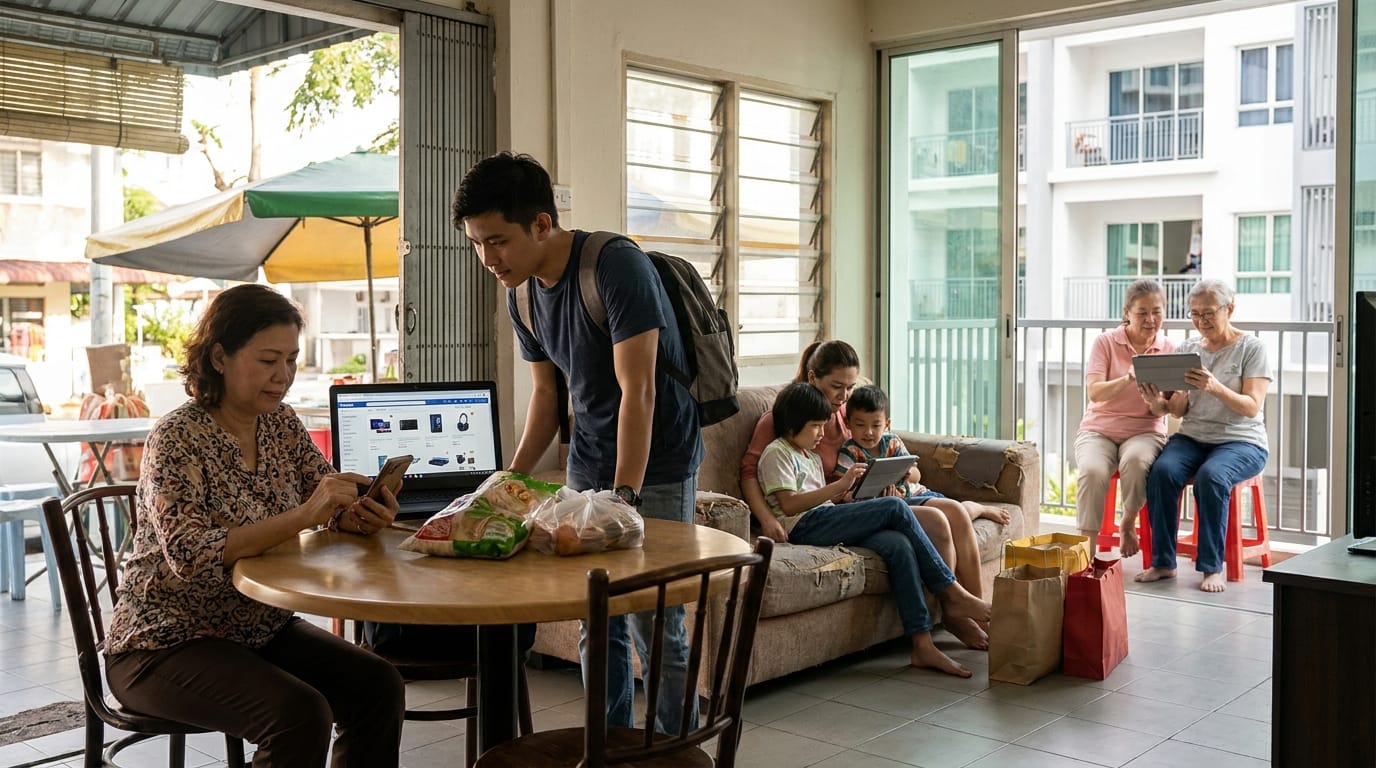
By moving beyond simplistic income labels, brands can build more resilient and relevant marketing strategies. The goal is to understand the context of each purchase, recognising that a single consumer can exhibit different shopping behaviours across different categories and occasions.
The most effective segmentation models prioritise behavioural patterns over fixed demographic boxes.
Understanding these nuances is key to sustainable growth in the Malaysian market. If your current segmentation model feels outdated, contact our team at OpenMinds Group to discuss a more data-driven approach.