Key Takeaways
- Channels for Reach: Use WhatsApp Channels for one-way, public announcements to an unlimited audience that does not need to be in the brand’s contact list.
- Broadcasts for Relationships: Use WhatsApp Broadcast Lists for personalised, two-way capable messages sent to a curated list of existing contacts (up to 256 per list).
- Funnel Alignment: Map Channels to top-of-funnel activities like brand awareness and product launches. Align Broadcasts with mid-to-bottom-funnel actions like promotions and customer service.
- Compliance is Key: Both tools operate within Malaysia’s Personal Data Protection Act (PDPA) framework, requiring a consent-based approach to communication.
The discussion around WhatsApp Channels vs Broadcast in Malaysia often creates confusion for marketing teams. With the introduction of Channels, many brands adopted the feature without a clear strategy, sometimes cannibalising the effectiveness of their established Broadcast Lists. Understanding the fundamental differences in purpose, reach, and interaction is critical for building an effective WhatsApp marketing strategy.
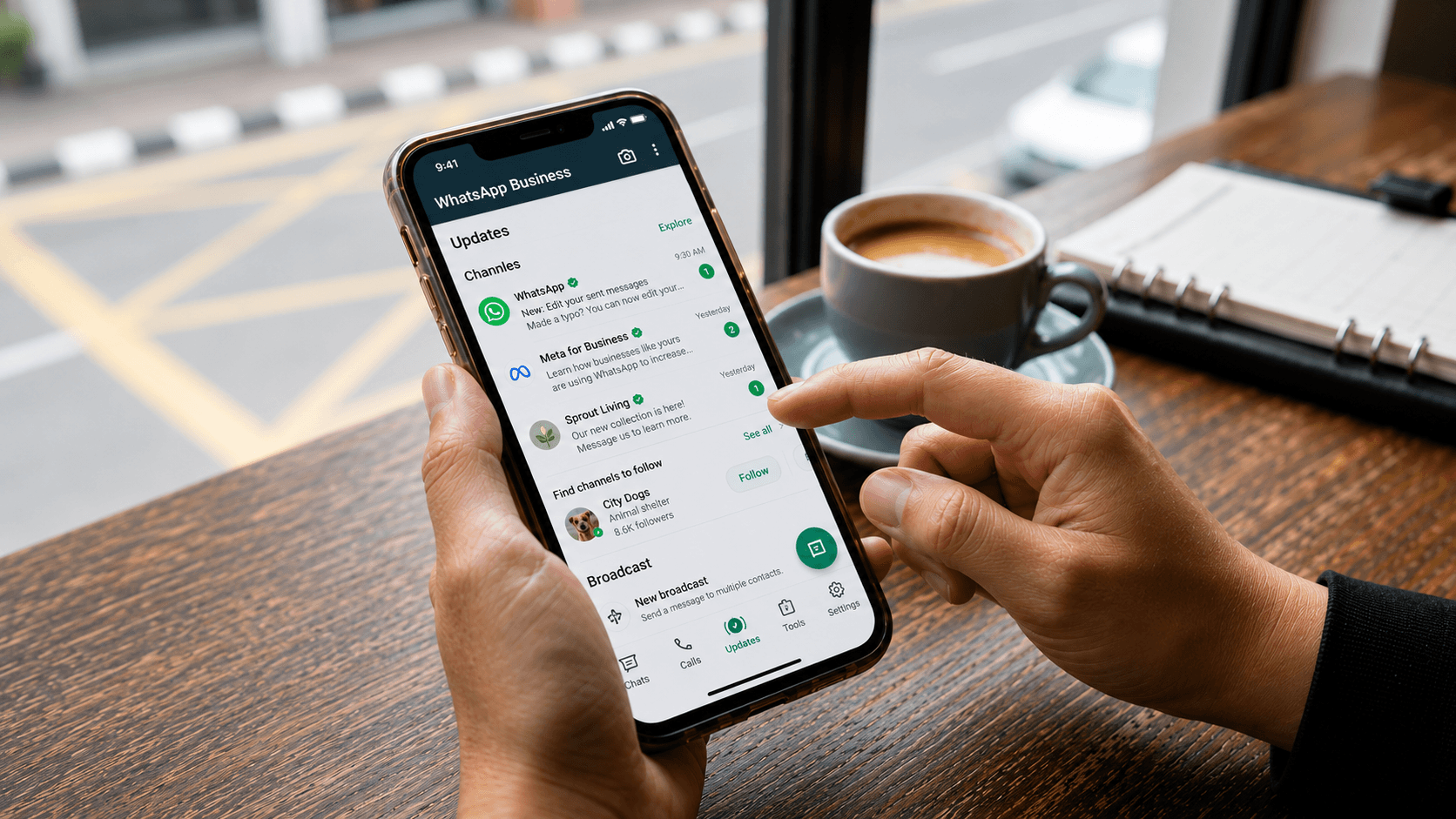
Channels function like a public social feed, designed for one-to-many publishing. In contrast, Broadcast Lists are a private messaging tool for sending a single message to multiple, saved contacts simultaneously. Choosing the right tool depends entirely on the objective: is the goal to inform a wide, anonymous audience or to engage a smaller, known customer base?
Differentiate Public vs Private Messaging
The core distinction lies in visibility and audience relationship. A WhatsApp Channel is a public, discoverable space where anyone can follow to receive updates. The brand does not know who the followers are, and followers cannot see each other.
A Broadcast List is private. It requires the brand to have the recipient’s number saved and, in most cases, the recipient must also have the brand’s number saved. The message arrives in the recipient’s private chat thread, appearing as a direct, one-to-one communication.
Compare Key Technical Features
To make an informed decision, leaders must compare the operational mechanics of each format. The right choice directly impacts campaign scalability, personalisation, and conversational potential.
| Feature | WhatsApp Channel | WhatsApp Broadcast List |
|---|---|---|
| Audience Type | Public followers (anonymous) | Saved contacts (known) |
| Visibility | Public and searchable | Private inbox delivery |
| Reply Capability | None (one-way only) | Private replies to sender |
| Contact Requirement | None for followers | Sender & recipient must have saved contacts |
| Maximum Reach | No follower limit | 256 contacts per list |
| Best Use Case | News, launches, mass updates | Promotions, service, personal follow-ups |
Choose Channels for Public Reach
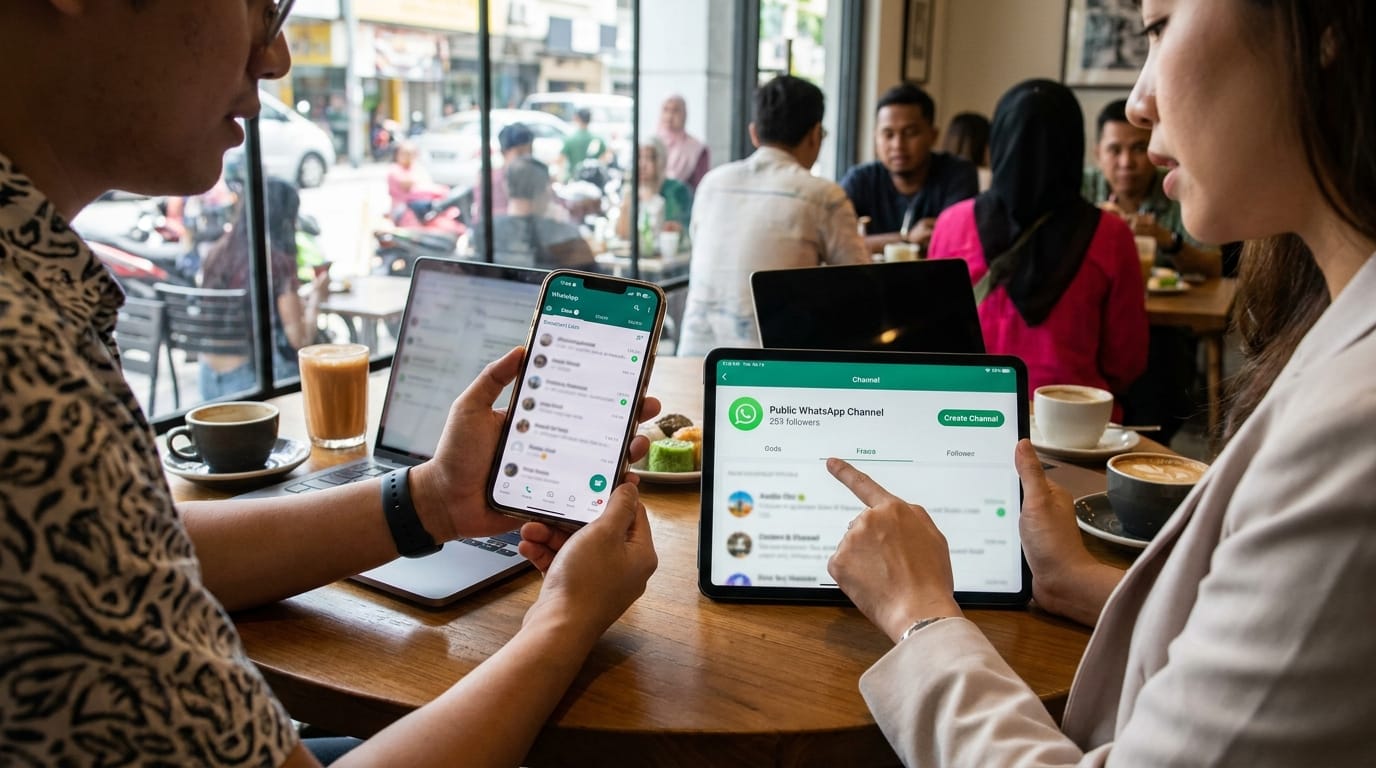
WhatsApp Channels are built for scale. With no follower limit, they are the ideal tool for organisations aiming to disseminate information widely without needing personal contact details. This makes them suitable for top-of-funnel marketing activities.
Use Channels for:
- Product Launches: Announce new products or services to a broad audience.
- Brand Updates: Share company news, press releases, or major milestones.
- Content Distribution: Drive traffic to blog posts, reports, or videos.
Pro tip: Treat your Channel like a news feed, not a sales engine. The one-way format is poorly suited for conversations that require clarification before a purchase.
Use Broadcasts for Customer Nudges
WhatsApp Broadcast Lists excel where Channels fall short: personalisation and direct engagement. The delivery to a private chat thread makes the communication feel personal, and recipients can reply directly to the sender, opening a sales or support conversation.
This format is highly effective for mid-funnel and retention-focused campaigns. Since Broadcast Lists are limited to 256 contacts per list, they encourage audience segmentation for more relevant messaging. This makes them a powerful tool for driving revenue from an existing customer base.
Align Your WhatsApp Strategy to the Funnel
A mature WhatsApp marketing strategy uses both tools, but for different stages of the customer journey. Misalignment is a common mistake that leads to poor engagement and unsubscribes. A clear framework prevents sending the wrong message in the wrong format.
Top of Funnel: Awareness and Education
At this stage, the audience is broad and largely anonymous. The goal is to build brand awareness and educate potential customers.
- Tool: WhatsApp Channel
- Example Message: “We just published a new guide on MarTech trends for 2026. Read it here: [link]”
- Purpose: Drive traffic and establish thought leadership.
Mid-to-Bottom Funnel: Conversion and Nurturing
Here, the audience consists of qualified leads or existing customers. The communication should be more direct, personalised, and action-oriented.
- Tool: WhatsApp Broadcast List
- Example Message: “Hi [Name], as a valued customer, here’s an exclusive 15% discount on your next purchase. Use code: VIP15″
- Purpose: Drive sales and encourage repeat business.
Grow Your Channel Following from Zero
Building a WhatsApp Channel audience requires a proactive, multi-channel approach. Since Channels are a relatively new format, brands cannot expect organic discovery alone to drive growth.
- Promote via QR Codes: Place QR codes linking to your Channel in physical locations like retail stores, on product packaging, or at events.
- Use Email and SMS: Announce your new Channel to existing email and SMS subscribers, inviting them to follow for real-time updates.
- Cross-Post on Social Media: Share your Channel link or a screenshot on Instagram, Facebook, and LinkedIn, explaining the value of following.
- Add a Website Banner: Implement a prominent call-to-action on the organisation’s website homepage or blog.

Avoid Common Tone Mismatches
The biggest risk in using these tools is a mismatch between tone and format. Sending an aggressive sales pitch through a public Channel can feel like spam, while an overly generic, impersonal message via a Broadcast List wastes the format’s potential for connection.
Watch out: Never send a message intended for a segmented Broadcast List to your public Channel. A message like “Hi [Name], your cart is waiting!” sent to thousands of anonymous followers instantly destroys credibility. This is a critical consideration for any WhatsApp channels vs broadcast Malaysia strategy.
Conclusion
The choice between WhatsApp Channels and Broadcast Lists is not about which is better, but which is right for the specific communication goal. Channels are for public broadcasting to a wide audience. Broadcasts are for targeted, personal engagement with known contacts.
A successful strategy often involves using both in a coordinated manner, mapped to different stages of the customer journey.
The core principle is simple: use Channels to talk at the market and Broadcasts to talk with your customers.
For a deeper analysis of how these tools can integrate with your existing MarTech stack, contact our team at OpenMinds Group. We can help design a bespoke WhatsApp communication strategy for your organisation.